
What is a Bunion? What Causes a Bunion?

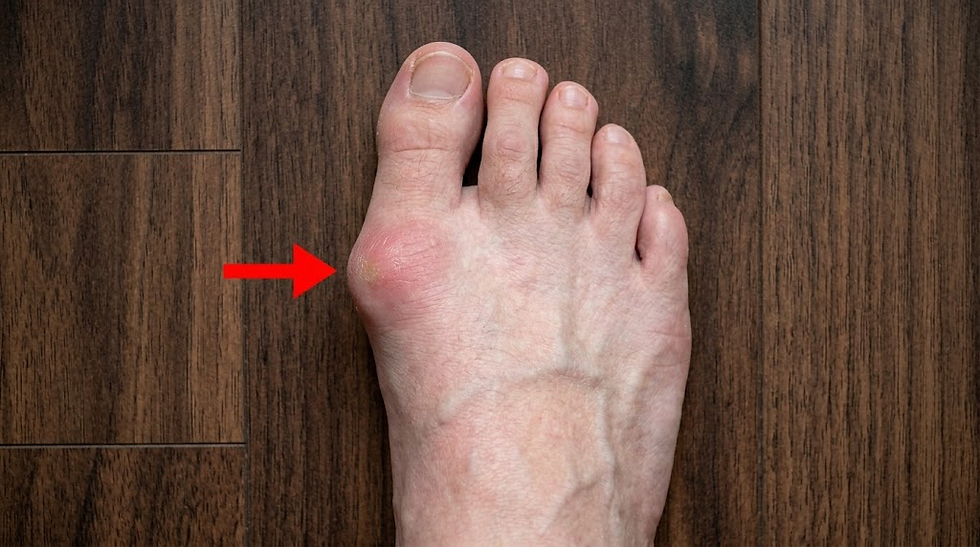
A bunion is one of the most common deformities of the foot, but many people don't realize that a bunion is more than just a bump on the side of the big toe. A bunion, medically called hallux valgus, occurs when the bones around the big toe joint gradually become misaligned. As the deformity progresses, the big toe moves toward the smaller toes while the first metatarsal moves toward the inside of the foot, creating the characteristic bump.
For some people, a bunion causes little or no discomfort. For others, it can become painful and make it difficult to wear shoes, walk, exercise, or participate in everyday activities.
Understanding what causes bunions and how they develop can help you recognize the problem and determine when it may be time to have your foot evaluated.
What Exactly Is a Bunion?
A bunion develops at the metatarsophalangeal (MTP) joint, which is the joint at the base of the big toe.
In a normally aligned foot, the big toe points relatively straight forward. With a bunion, the bones gradually shift out of their normal alignment. The big toe begins to angle toward the second toe, while the first metatarsal moves in the opposite direction.
This creates the visible prominence on the inside of the foot.
Importantly, a bunion is not simply an extra piece of bone growing on the side of your foot. It is primarily a problem of bone and joint alignment.
As the deformity progresses, the joint can become irritated by shoes and everyday activity. The skin over the bunion may become red, swollen, or tender, and some patients eventually develop stiffness or arthritis within the big toe joint.
What Causes a Bunion?
There usually isn't one single cause of a bunion.
Instead, bunions are considered multifactorial, meaning several factors can contribute to their development. Genetics, the structure of your foot, biomechanics, footwear, previous injuries, and certain medical conditions can all play a role.
1. Genetics and Family History
Genetics is one of the most important factors associated with bunions.
If your parents or other family members have bunions, you may be more likely to develop one yourself. This does not necessarily mean you inherited the bunion itself. More often, you inherit characteristics of your foot that make you more susceptible to developing the deformity.
Inherited factors may include:
The shape of the bones in your foot
The alignment of your big toe joint
Joint flexibility
Ligament characteristics
The way your foot functions when you walk
This is one reason why someone can develop a bunion even if they have never worn high heels or particularly narrow shoes.
2. Foot Structure and Biomechanics
The way your foot is built and the way it moves can contribute to bunion development.
Every time you walk, forces travel through your foot and across the big toe joint. If the mechanics of your foot place abnormal stress on this area, the bones and surrounding soft tissues can gradually shift.
Over time, repeated stress may contribute to progressive changes in the alignment of the first metatarsal and big toe.
This helps explain why bunions typically develop gradually rather than appearing overnight.
3. Shoes Can Make Bunions Worse
You've probably heard that wearing high heels or tight shoes causes bunions.
The reality is a little more complicated.
Shoes are not necessarily the sole cause of a bunion. However, narrow or poorly fitting shoes can contribute to the development and progression of symptoms, particularly in someone who already has an underlying structural predisposition.
Shoes with a narrow toe box can squeeze the toes together and repeatedly rub against the prominent portion of the bunion.
High-heeled shoes can also increase pressure on the front of the foot.
If you already have a bunion, choosing shoes with a wide toe box and enough room for your toes can significantly reduce pressure and irritation.
4. Previous Foot Injuries
A bunion can sometimes develop following an injury to the foot.
Trauma can affect the bones, ligaments, or joints that help maintain normal alignment. Repetitive stress or smaller injuries over time may also contribute to changes in alignment.
Your foot does not necessarily need to have sustained one major injury for this to happen.
5. Arthritis and Other Conditions
Certain types of arthritis can affect the joints of the foot and contribute to changes in alignment.
Inflammation and damage within the big toe joint can cause pain, swelling, stiffness, and progressive deformity.
This is one reason why not every bump around the big toe is necessarily a bunion. Conditions such as arthritis, gout, and other disorders can produce similar symptoms and should be appropriately evaluated.
Why Does a Bunion Hurt?
Interestingly, the size of a bunion does not always determine how much it hurts.
Some people have a very noticeable bunion but experience little discomfort. Others may have a relatively small deformity that causes significant pain.
Pain can come from several different sources.
Shoe irritation
The prominent portion of the bunion can repeatedly rub against the inside of your shoe. This can cause redness, swelling, tenderness, and inflammation.
Changes in pressure
As the big toe becomes misaligned, pressure can be redistributed across the front of the foot. This can contribute to pain underneath the ball of the foot or problems with the smaller toes.
Joint arthritis
Over time, the big toe joint may develop arthritis, resulting in pain and stiffness.
Problems with the second toe
As a bunion progresses, the big toe can push against or underneath the second toe. In more advanced cases, this can contribute to crossover or hammertoe deformities.
Do Bunions Get Worse Over Time?
Bunions can progress over time, but the rate of progression varies significantly from person to person.
Some people have a relatively mild bunion that changes very slowly over many years. Others can experience more noticeable progression over a shorter period.
There is no reliable way to predict exactly how quickly an individual bunion will progress. Family history, foot structure, biomechanics, footwear, and other factors can all influence progression.
A bunion does not automatically mean that you will need surgery.
The most important consideration is often how the bunion affects your life, rather than simply how it looks.
Can You Prevent a Bunion?
Because genetics and foot structure play such an important role, there is no guaranteed way to prevent every bunion.
However, you can reduce irritation and pressure on the big toe by wearing shoes that fit properly.
Look for shoes with:
A wide toe box
Adequate length
Room for the toes to spread naturally
A comfortable sole
Minimal pressure over the bunion
If you already have a bunion, these changes may help reduce symptoms and make everyday activities more comfortable. However, changing shoes generally does not permanently realign the bones once a structural bunion has developed.
When Should You See a Doctor About a Bunion?
You should consider having your bunion evaluated if you experience:
Persistent big toe pain
Increasing difficulty wearing shoes
A progressively enlarging bump
Swelling or redness around the big toe joint
Difficulty walking or exercising
Pain underneath the ball of the foot
Stiffness of the big toe
Problems with the second toe
Pain that interferes with your normal activities
A foot and ankle specialist can determine whether your symptoms are coming from a bunion or another condition affecting the big toe.
An examination and, when appropriate, weight-bearing X-rays can help determine the degree of deformity and whether the bones and joint have become misaligned.
How Are Bunions Treated?
Treatment depends on the severity of the deformity and, most importantly, your symptoms and goals.
For mild or minimally symptomatic bunions, treatment may include:
Wider shoes
Activity modification
Padding
Toe spacers
Physical therapy or exercises
Orthotics when appropriate
Medication to help control pain and inflammation
These treatments can reduce pressure and improve comfort, but they generally do not permanently correct the underlying bone alignment.
When a bunion becomes painful despite appropriate non-surgical treatment, bunion surgery may be considered.
There are many different surgical techniques for correcting bunions, and the appropriate procedure depends on the patient's individual anatomy and the severity of the deformity.
Minimally Invasive Bunion Surgery in Greenville, SC
For patients who require surgery, minimally invasive bunion correction is one option that may be appropriate depending on the individual's deformity and goals.
At Greenville SC Foot & Ankle, Dr. Michael Sims specializes in minimally invasive foot and ankle surgery, including minimally invasive bunion correction. The technique uses small incisions and specialized instruments to realign the bones rather than simply removing the visible bump.
The goal is to correct the underlying deformity while minimizing disruption to the surrounding tissues.
However, not every bunion requires surgery, and not every patient is a candidate for the same surgical procedure.A personalized evaluation is important when determining the appropriate treatment.
The Bottom Line: Why Do People Get Bunions?
A bunion is a deformity caused by changes in the alignment of the bones around the big toe joint. It is not simply a bump that grows on the side of your foot.
Most bunions develop from a combination of factors, including:
Genetics + foot structure + biomechanics + footwear + time
Previous injuries and arthritis can also contribute in some patients.
If you have a bunion that is becoming painful, making it difficult to wear shoes, or interfering with your normal activities, it may be worth having it evaluated. Early evaluation can help determine the cause of your symptoms and give you a better understanding of your treatment options.
Bunion Treatment in Greenville, SC
If you are experiencing bunion pain or have noticed your big toe gradually becoming crooked, Dr. Michael Sims at Greenville SC Foot & Ankle provides evaluation and treatment of bunions and other forefoot deformities in Greenville, South Carolina. His practice focuses on individualized treatment, including minimally invasive surgical techniques when appropriate.


Comments